

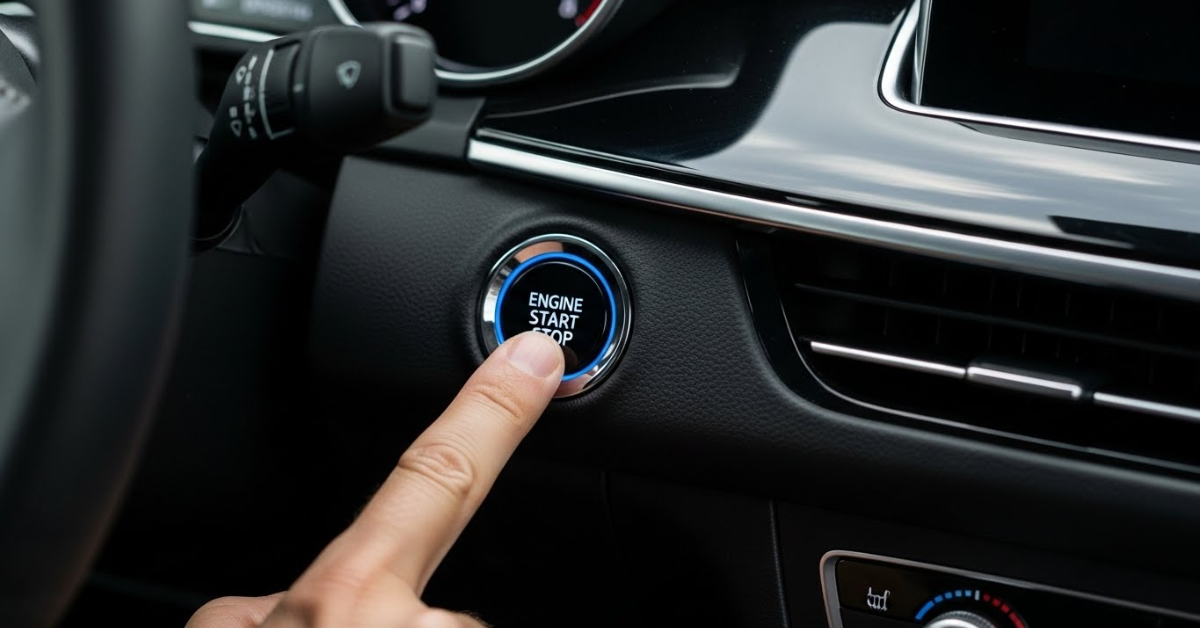
You’re sitting at a traffic light on Sheikh Zayed Road during rush hour. Your engine shuts off. For a split second, panic sets in. Is something wrong? Then you remember: your car has start-stop technology.
This feature saves fuel by automatically turning off your engine when you brake to a complete stop. The moment you lift your foot, the engine restarts. It sounds brilliant for Dubai’s stop-and-go traffic. But here’s what the dealership didn’t mention: your regular car battery wasn’t designed for this.
Most drivers only discover this after their battery dies unexpectedly within two years. The constant stopping and restarting puts extreme stress on conventional batteries. In Dubai’s heat, this problem accelerates dramatically.
How Start-Stop Systems Actually Work
Start-stop technology does exactly what its name suggests. When you come to a complete stop and press the brake, the engine shuts down. Release the brake or touch the accelerator, and it fires back up instantly.
Your car makes this happen dozens of times during a typical drive. On Sheikh Mohammed Bin Zayed Road during morning traffic, your engine might restart 30-40 times in a single commute. Each restart demands a significant burst of power from your battery.
Traditional batteries handle starting your car once per trip. Start-stop batteries must deliver that same power surge repeatedly, sometimes within seconds of each other. They also need to keep all your electronics running while the engine is off: AC, radio, navigation, and phone charging.
This creates a completely different power demand profile. Your battery constantly cycles between deep discharge and rapid recharge, all while maintaining stable voltage for sensitive electronics.
Why Regular Batteries Fail in Start-Stop Cars
The Cycle Stress Problem
Conventional lead-acid batteries are designed for shallow cycling. They provide one big power burst to start your engine, then the alternator takes over and gently recharges the battery while you drive.
Start-stop systems force deep cycling. The battery discharges significantly every time the engine stops, and then must be recharged quickly before the next stop.
This happens over and over. A regular battery might handle 30,000 engine starts in its lifetime. Start-stop systems can demand that many cycles in just two years.
Heat Amplifies the Damage
Dubai’s summer temperatures push conventional batteries to their limits even in normal conditions.
When you add start-stop cycling to 45°C+ ambient heat and engine bay temperatures exceeding 70°C, failure accelerates.
The heat speeds up internal corrosion. The repeated cycling causes active material to shed from the battery plates. Within 12-24 months, what started as a perfectly good battery becomes unable to hold a charge.
You’ll notice your start-stop system disabling itself more frequently. The car’s computer detects the weakened battery and keeps the engine running to protect the system.
Eventually, the battery fails completely, often on a scorching afternoon when you need your car most.
The Two Battery Technologies That Actually Work
Enhanced Flooded Batteries (EFB)
EFB batteries represent the entry-level solution for start-stop systems. They use improved lead-acid technology with enhanced plate materials and modified electrolyte composition.
These batteries handle roughly twice the cycling capacity of conventional batteries. They resist heat better and recover from deep discharge more effectively. For moderate start-stop use in temperate climates, they work adequately.
In Dubai conditions, EFB batteries typically last 2-3 years in start-stop applications. They cost AED 400-700, depending on your vehicle. They’re acceptable for city cars with basic start-stop systems that don’t run many accessories during engine-off periods.
AGM (Absorbed Glass Mat) Batteries
AGM batteries represent the premium solution, and for Dubai drivers, they’re worth every dirham. The technology fundamentally differs from flooded batteries.
AGM batteries sandwich the electrolyte in fibreglass mats between the plates. This design delivers several critical advantages. They handle three to four times more charging cycles than conventional batteries.
They charge significantly faster, crucial when you have just 30 seconds between traffic lights. They resist vibration better, important on Dubai’s sometimes rough roads.
Most importantly for our climate, AGM batteries tolerate heat far better than flooded designs. They lose less capacity at high temperatures and resist the sulfation that kills flooded batteries in extreme heat.
An Amaron battery in Dubai, specifically designed for start-stop applications, uses AGM technology optimised for Gulf conditions. These batteries typically last 4-5 years, even with intensive start-stop cycling in our harsh environment.
The upfront cost runs AED 800-1,400 depending on your vehicle’s requirements. That premium pays for itself through longer lifespan and fewer roadside emergencies.
How to Know Which Battery Your Car Needs
Check Your Owner’s Manual
Your manual specifies the exact battery type for your start-stop system. It might say “EFB required” or “AGM battery necessary.”
Never downgrade from AGM to EFB to save money; you’ll spend more replacing batteries every 18 months.
Some manufacturers code this information in the battery specification. Look for terms like “start-stop compatible” or specific AGM/EFB designations.
Decode Your Current Battery Label
Look at the sticker on your existing battery. It should indicate the technology type. AGM batteries clearly state “AGM” or “Absorbed Glass Mat.”
EFB batteries may say “EFB” or “Enhanced Flooded Battery.”
If you see just “Lead Acid” or “Maintenance Free” without start-stop specifications, someone installed the wrong battery. This explains why you’re experiencing problems.
Match Your Driving Conditions
Consider how you actually use your car. If you drive mostly highways with minimal stop-and-go traffic, an EFB might suffice.
But if you commute daily through Dubai traffic or frequently drive in areas like Deira or Bur Dubai, where start-stop activities, invest in AGM.
Also factor in your accessories. If you run multiple devices while stopped, a powerful sound system, phone chargers, rear entertainment, and heated seats, you need AGM’s superior power delivery.
Warning Signs Your Battery Can’t Handle Start-Stop
The System Keeps Disabling Itself
Modern cars monitor battery health constantly. When your battery weakens, the car stops using start-stop to protect the battery and ensure reliable starting.
If your system stays disabled even after long highway drives that should recharge the battery, replacement time is approaching.
Slow or Hesitant Restarts
When functioning properly, start-stop restarts should feel instantaneous and smooth.
If you notice slight delays, rough restarts, or occasional stuttering when the engine fires up, your battery is struggling. Don’t wait for complete failure.
Electronics Dim or Flicker
Watch your dashboard and headlights when stopped with the engine off. If they dim noticeably or if the AC struggles during engine-off periods, your battery lacks the capacity to support the system.
This often appears months before complete failure.
Battery Age Exceeds Expected Life
EFB batteries in Dubai conditions typically last 2-3 years maximum in start-stop applications. AGM batteries should reach 4-5 years.
If you’re approaching these timeframes, schedule replacement proactively rather than waiting for failure.
Installation and Cost Considerations
Professional Installation Matters
Start-stop batteries require proper registration with your car’s computer system.
Simply swapping batteries without electronic registration can cause charging system problems and shorten battery life.
The computer needs to know it has a fresh battery to optimize charging algorithms.
This registration process requires diagnostic tools most general mechanics don’t have. Use authorized service centers or specialized battery shops that understand start-stop systems.
The registration process takes 10-15 minutes and ensures your car’s charging system works correctly.
Real Dubai Pricing
EFB batteries suitable for start-stop cars cost AED 400-700, depending on size and brand. Installation and registration add AED 50-150. Total investment: AED 450-850.
AGM batteries run AED 800-1,400 for quality units designed for Gulf conditions. Installation and registration cost the same AED 50-150. Total investment: AED 850-1,550.
Consider the cost per year. An EFB lasting 2.5 years costs roughly AED 300 annually. An AGM lasting 4.5 years costs approximately AED 310 annually. The AGM provides superior reliability for essentially the same annual cost.
Warranty Coverage
Quality start-stop batteries come with 18-36 month warranties. Keep your receipt and registration documentation.
If you experience premature failure, these warranties cover replacement, provided you haven’t installed the battery incorrectly or used it in unsuitable applications.
Some brands offer free replacement within the first year and prorated coverage afterwards. Understand your warranty terms before purchasing.
Maximizing Battery Life in Dubai Conditions
Park Smart When Possible
Covered parking significantly extends battery life. Engine bay temperatures in direct sun can exceed 80°C during summer afternoons.
Every degree above 30°C accelerates battery degradation. When you have the choice, park in shade or covered areas.
Drive Longer Occasionally
Short trips prevent full battery recharge. Your alternator needs sustained running time to properly charge a deeply cycled start-stop battery.
Once weekly, drive for 20-30 minutes on the highway to give your charging system time to fully replenish the battery.
Keep Connections Clean
Corrosion on battery terminals increases resistance and prevents proper charging. Every three months, inspect terminals for white or green crusty buildup.
Clean with a baking soda solution and ensure connections are tight. This simple maintenance prevents premature failure.
Have Your Charging System Tested
Most battery failures actually result from charging system problems. Faulty alternators or voltage regulators prevent proper battery charging regardless of battery quality.
During routine service every 10,000 km, ask your mechanic to test the charging system voltage and output.
Making the Right Choice for Your Car
Start-stop technology genuinely saves fuel; 5-10% in heavy traffic conditions common in Dubai. But only with the right battery can you actually enjoy these benefits reliably.
Don’t compromise on battery technology to save AED 300-400 upfront. The wrong battery will fail within 18-24 months, leave you stranded, and cost you more in the long run through repeated replacements and potential towing fees.
Match the battery technology to your car’s requirements and Dubai’s demanding conditions. If your manufacturer specifies AGM, use AGM.
If you drive extensively in stop-and-go traffic, choose AGM even if EFB is technically acceptable. The reliability and longevity justify the investment.
Your start-stop system works brilliantly when powered correctly. Give it the battery it needs, and you’ll enjoy years of efficient, worry-free driving through Dubai’s traffic.