

Smartwatches have moved far beyond simple step counters and basic phone alerts. Modern models work as health companions, fitness trackers, and mini smartphones on your wrist. With so many brands and price ranges, choosing the right watch can feel confusing. You see terms like AMOLED, SpO2, GPS, ECG, and 5ATM, but they are not always clear. This guide breaks these smartwatch features into simple parts so you can match them to your daily life. You will learn how notifications work, what health sensors actually track, and how battery and display tech affect real use. Use this overview to narrow down options and buy with confidence.
What Are the Most Important Smartwatch Features?
Notifications, Calls, and Smart Connectivity
Smartwatches first earned attention by handling phone alerts without pulling out a phone. At a basic level, they mirror notifications for calls, texts, emails, and apps like WhatsApp or calendars. Higher‑end models let you answer calls from your wrist using Bluetooth or LTE, and even reply to messages with quick replies, voice dictation, or small keyboards. Seamless pairing with iOS or Android matters, because some features only work fully inside a brand’s ecosystem. Look for strong Bluetooth stability, Wi‑Fi support, and optional LTE if you want to leave your phone at home. NFC payments also add daily convenience by turning your watch into a contactless card.
GPS, Navigation, and Everyday Convenience
Built‑in GPS gives you accurate distance and pace data when you run, cycle, or walk without carrying a phone. It helps map your route and powers stats such as speed, elevation, and split times. Many smartwatches also integrate with mapping apps to show turn‑by‑turn directions on your wrist, which is handy in cities or during travel. Beyond location, small conveniences add up: music control or offline music storage, voice assistants for quick commands, and calendar and weather widgets that save time. The best models let you customise watch faces and widgets so you can see steps, heart rate, next events, or reminders at a glance, tailored to your routine.
Understanding Health and Fitness Features
Heart Rate, Blood Oxygen, and Stress Monitoring
Optical heart rate sensors sit on the back of the watch and shine light through your skin to track your pulse all day. This data shows resting heart rate trends and highlights spikes during workouts or stressful moments. Many newer watches also measure blood oxygen (SpO2), which estimates how well your body uses oxygen. While not a medical device, it can flag unusually low readings that you may want to discuss with a doctor. Some advanced models add ECG readings for irregular rhythm alerts. Stress tracking often combines heart rate variability with movement data. The watch then prompts breathing exercises or short breaks when it detects higher stress levels.
Sleep Tracking and Workout Modes
Sleep tracking uses motion and heart rate data to estimate how long you sleep and how often you wake up. Better systems break this into stages such as light, deep, and REM sleep, then score your night and offer tips for better rest. For fitness, dedicated workout modes are key. Common profiles include running, walking, cycling, swimming, yoga, and strength training. These modes adjust metrics to the activity, such as pace and cadence for running or stroke count for swimming. Many watches auto‑detect common workouts, so you do not miss tracking if you forget to start a session. Over time, trends in workouts and sleep give a clear picture of your overall health.
Battery Life, Display, and Durability Explained
Battery Performance and Charging Speed
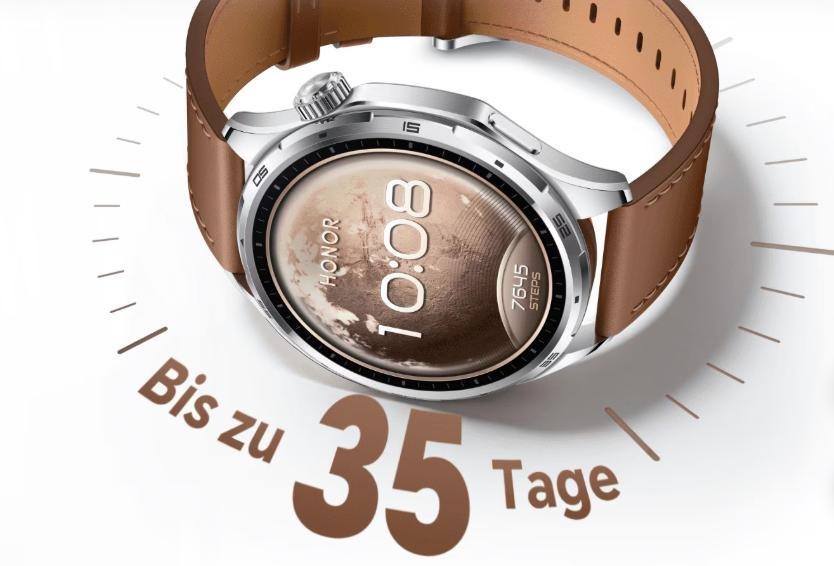
Battery life varies widely, from about one day on full‑featured smartwatches to a week or more on fitness‑focused models. Always‑on displays, GPS workouts, LTE use, and constant health tracking all drain power faster. When you compare models, check both “normal use” and “GPS workout” estimates to see if they match your routine. Charging speed and method also matter. Some watches use magnetic pucks, others support wireless charging. Faster charging lets you top up during a shower or coffee break instead of waiting hours. If you plan to track sleep every night, you will want a watch that charges quickly and reliably during short breaks.
AMOLED Displays and Water Resistance
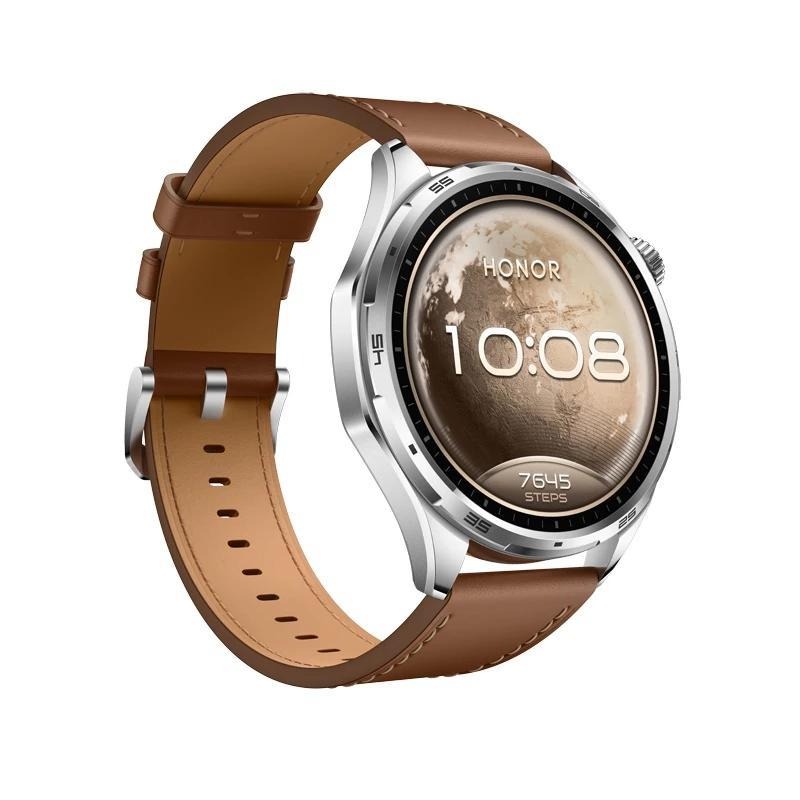
HONOR Watch 6 uses an AMOLED display, and AMOLED displays offer deep blacks, high contrast, and vivid colours, which makes watch faces and stats easy to read outdoors. They also allow always-on display modes that show time and basic info without raising your wrist. The trade-off is higher power use compared with simpler LCD or memory-in-pixel screens. Durability is just as important. A good smartwatch should survive rain, sweat, and daily splashes. Look for rated water resistance, such as 5ATM or higher for pool swimming. Some models, including the honor watch 6 uk, add dust resistance and use tough materials like Gorilla Glass or sapphire crystal for the screen. Together, these features ensure the watch handles workouts, showers, and daily knocks.
Conclusion
Smartwatch features make more sense when you group them around your real needs. If you care about staying connected, focus on reliable notifications, calling features, and smooth phone integration. For health and fitness, check the quality of heart rate, SpO2, sleep tracking, and workout modes instead of just counting sensors. Battery life, charging speed, and display type shape how often you charge and how clearly you see data. Finally, do not ignore durability and water resistance if you exercise often or live an active lifestyle. By matching these core features with your habits and budget, you can choose a smartwatch that feels helpful every day, not just impressive on paper.