

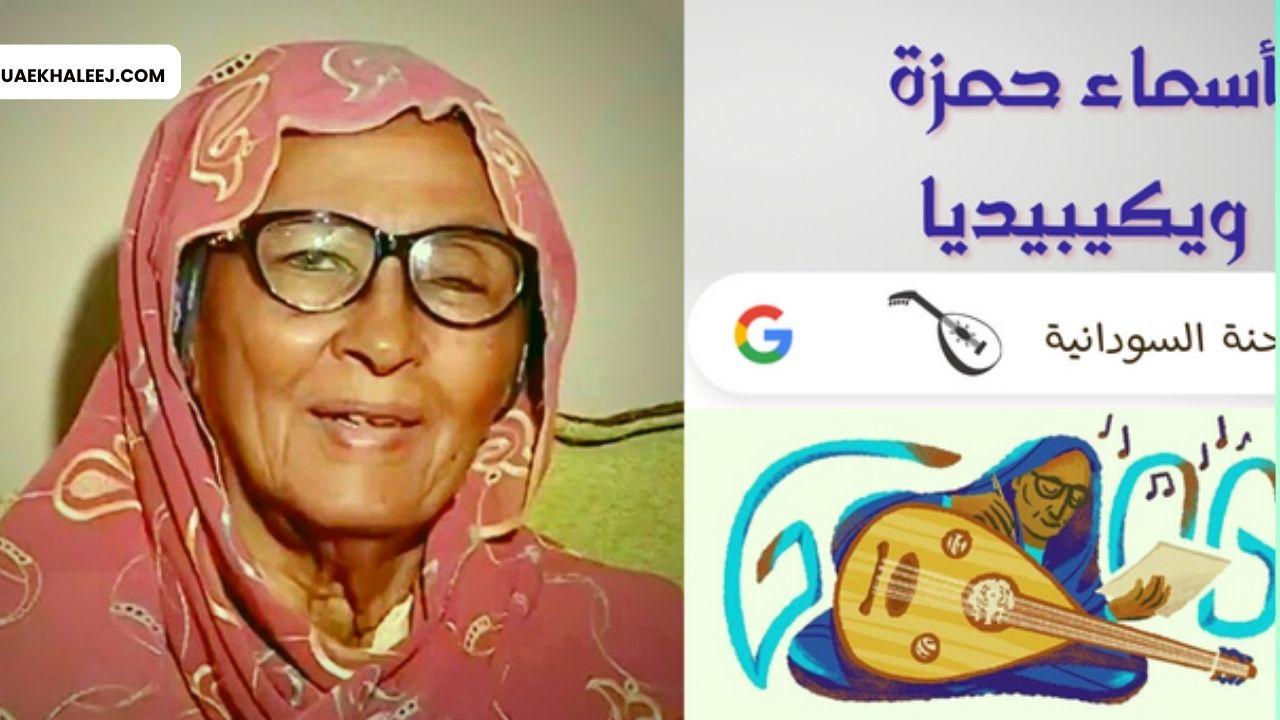
Sound can slip past the walls people build between places. From Sudan came a child drawn to songs like moths to a flame—her name was Asma Hamza. Not many saw space for girls in composing, yet she stepped in anyway. Because of what she did, new voices found room where silence once lived. Women began picking up instruments, not asking permission. Her notes stretched beyond borders, mixing rhythms no one thought would fit. What felt impossible started feeling near.
Asma Hamza Early Life and Background
Back in 1932, when Hamza entered the world, women strumming tunes in public barely stood a chance. Society had firm ideas—stay within certain lines, keep quiet, and stick to what was assigned. Yet behind closed doors, fingers itched toward the oud, that deep-bodied, curving instrument humming with history. While most saw only rules, she saw space—to learn, to try, to move beyond what others claimed impossible. Slowly, note by note, her persistence chipped away at walls everyone said could not be touched.
| Category | Details |
|---|---|
| Full Name | Asma Hamza Bashir |
| Born | 1932, Halfaia, Sudan |
| Family | Only child |
| Early Interest | Interested in music, played oud |
| Education | Self-taught, no formal music education |
| First Instrument | Oud (string instrument) |
| Career Start | Self-taught, started composing in secret |
| Breakthrough | Won Laylat al-Qadr Al-Kubra (1997) |
| Key Work | Composed ‘Al Zaman Al-Tayb’ (1983) |
| Awards | Google Doodle tribute (2023) |
| Challenges | Fought gender bias, music in secrecy |
| Legacy | Pioneer for women in Arab music, inspired generations |
One day, a girl named Asma Hamza began walking a path few dared to follow. Her beginning was marked by long nights and quiet doubts instead of applause. Slowly, though, sound after sound, she built something that caught the world’s ear. Moments once filled with silence now echoed across continents through her voice. Looking back at how far she went shows more than success—it reveals steady strength where others might have turned away. Each note carried weight, shaped by challenge yet never broken.
Asma Hamza Early Years and First Steps in Music
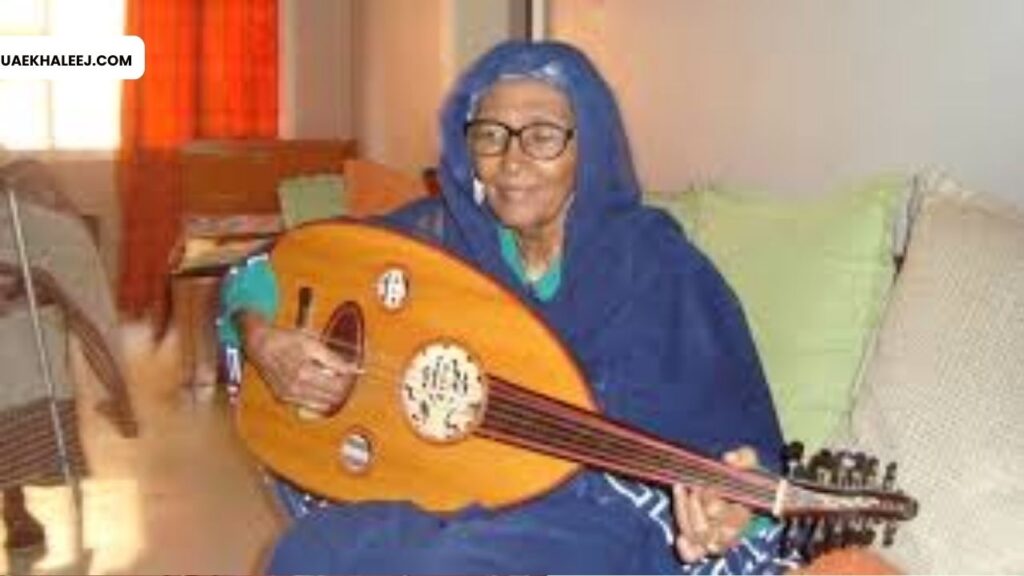
In Kassala, a lively place in eastern Sudan, Asma Hamza came into the world. Culture shaped her childhood, filling days with tradition and sound. Music caught her attention young; she would sit quietly by the radio, catching every beat. Those tunes stuck—she learned them fast, line after line.
Techniques and Structure of Music
Harmonic Innovation
The music pieces of Asma Hamza were often created with syncopated rhythms, call-and-response forms, and minor tonal changes, which gave her music pieces emotional depth. Asma perfected the art of silence as melody, an innovation that has since been recognized in Arabic orchestration in the modern era.
Vocal Arrangements
Asma did not make many music pieces, but her music pieces were composed in many vocal voices, both baritone and sweet and feminine. This is because Asma believed that emotions, rather than gender, are a part of music pieces.
Legacy Beyond Borders
Global Recognition
As more women in Africa and the Arab world are being recognized as music composers, the legacy of Asma Hamza is being recognized beyond the boundaries of Sudan. This is because her music pieces are being discussed by scholars in Europe and the UAE in relation to the influence of cross-cultural influences and the empowerment of women with the help of art.
Documentaries and Research
Several Arab media productions about Asma Hamza are currently underway. Her name has been mentioned in magazines by the Cultural and Media Authority of the UAE, specifically in articles about progressive Arab women who changed their lives.
A Symbol of Unity
It is not just a symbol of unity between Sudan and the UAE but also of Arab unity as a whole, which honors both their past without forgetting their present and its transformations, much like their journey to Arab cultural identity, as experienced by the UAE itself.
Asma Hamza Regional Influence
- Fairuz (Lebanon) is the mouthpiece of the Levant.
- Warda Al-Jazairia (Algeria) is the flower of Arabic music.
- Ahlam Al-Shamsi (UAE) — an Emirati symbol in the present day.
- Collectively, these women demonstrate how Arab female art has changed with time.
Asma Hamza Finding the Oud
- The Fatima Bint Mubarak Women Foundation.
- The art scholarships of the Ministry of Culture and Youth.
- The exhibitions of Women in Art in Dubai.
Something about how she played caught her father’s attention. Back then, most thought music wasn’t for girls, yet he said nothing, only watched. A quiet decision led him to bring home an oud one evening. Inside those walls, away from stares, her fingers found their way through notes no one had shown her. Hours slipped by while patterns formed under hesitant hands that grew sure. What words could not carry, the strings began to speak instead.
Asma Hamza Overcoming Social Barriers

Hard paths often hide behind quiet steps. Public stages felt off-limits because folks frowned at women playing music. A daughter of sound, she faced whispers saying home was where females belonged. Doubt came hard from neighbors, yet support flowed steadily from her dad. Melodies burned inside her chest, waiting for ears beyond the next room. Her resolve never bent even when voices grew loud against her choice.
The Path To Being A Composer
Finding her way from homemade oud tunes to composing full pieces took stubborn patience. Not simply replaying old melodies mattered to Hamza—shaping sound from her own life did, along with honoring Sudan’s quiet heartbeat.
Asma Hamza First Compositions
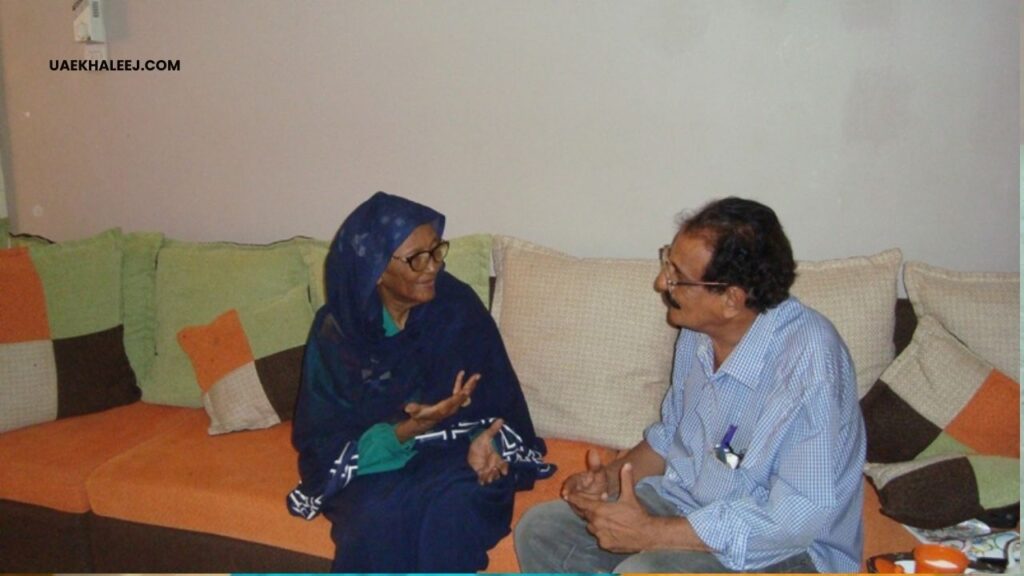
Secretly, she started writing her own songs. Not long after, raw feeling poured through each note, mixing old Sudanese beats with classic Arabic forms. Only later did friends hear them—their surprise showed instantly. What stood out was how clearly her sound reflected real life: nothing added, nothing missing.
Challenges and Struggles
Breaking Gender Barriers
This was a rare occurrence in the history of the mid-20th century to have a female composer and instrumentalist. She not only had to fight against the resistance of society, but she also had to compose her first piece of music in secret. She took the challenges as a means of generating creativity, which attracted admiration from outside her community.
Asma Hamza Resilience and Tenacity
This is one of the exceptional cases of her strength in a conservative world. She put her battles into music, and she succeeded in bringing a voice that transcended boundaries, leaving women in music in her era dreaming and hoping that there would be more.
Asma Hamza Recognition in Sudan
Something shifted once she joined forces with well-known Sudanese vocalists. These artists noticed how sharp her songwriting was, so they started singing her work. Because of that link, her sound landed on national radio stations. Across the country, people heard her tunes drifting through radios, bit by bit growing more familiar. Over time, even skeptical musicians gave her credit. Now seen as a major presence, she held her ground firmly in Sudan’s music scene.
Musical Style and Influences
It might surprise you how Hamza blends sounds from so many places. Life around her shaped the notes, yet private battles slipped into lyrics too, while echoes of national tales run beneath it all.
Asma Hamza Awards, Honors, and Recognition
National and Cultural Honors
There have been a few official honors apart from her Laylat al Qadr win. However, the Google tribute in 2023 is one of the most important honors in her music and cultural work.
Asma Hamza Tradition Meets New Ideas
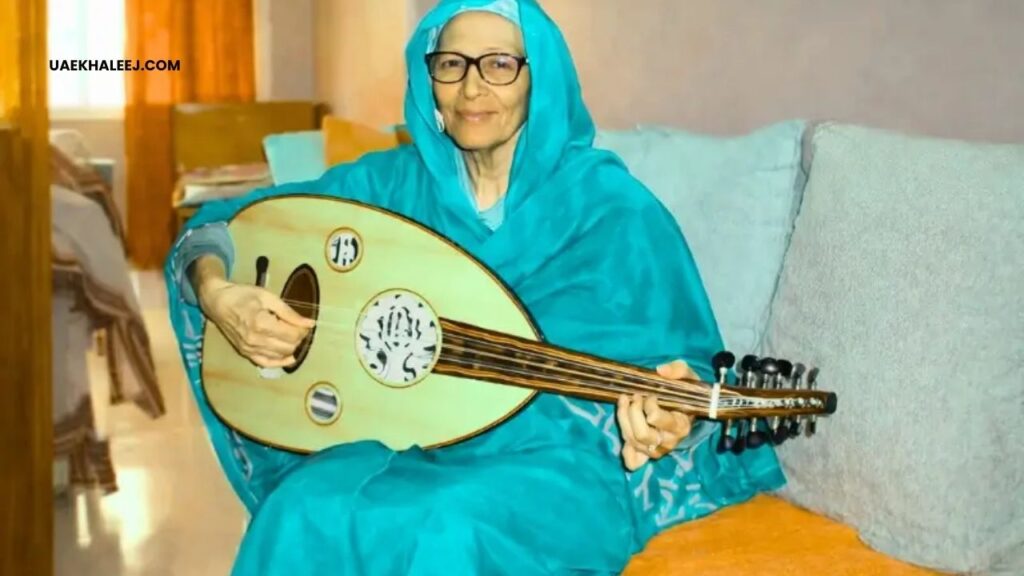
Born into rhythms old as the Nile, she wove ancestral Sudanese sounds with fresh structural ideas. Through the voice of her oud, new paths opened within ancient maqams. Layer upon layer, her compositions unfolded—simple enough for neighbors to hum, deep enough for scholars to study. Where others saw divides, she moved quietly, connecting village melodies to concert halls.
Asma Hamza Influence Across Arab and African Musical Traditions
Beyond Sudan’s edges, her reach grew quiet yet vast. One of the earliest women in the Arab world to compose, she stepped through barriers others had been told were walls. People praised her songs not for polish, but because they felt real, like old memories waking up. Behind every note, a woman stood—not just singing, but building sound from nothing.
Sudanese and Arab Traditions in Music
She is still universally recognized as one of the earliest women composers and professionally trained oud players in Sudan and the Arab world. This is a historic milestone in a male-dominated profession.
Asma Hamza Legacy
Years after Asma Hamza’s passing in 2018, melodies she shaped still find their way into listeners’ ears. Though gone, her legacy hums through songs brought back to life at gatherings across generations. Each piece remains touched by her hand, even now when stages light up with familiar tunes born long ago.
Inspiring Future Generations
One girl’s journey lights a path through hard places, not just in Sudan but far beyond. Driven by fire inside, she broke walls others said could never fall. Right now, women across the Arab world make music because they saw what she did. Her bravery whispers back at them – speak anyway.
Asma Hamza Global Recognition
People around the world took notice of what she achieved. A special drawing appeared on Google in 2023, showing her life to countless viewers across continents. Because of moments like these, her place among trailblazers in music feels certain. Time moves forward, yet her impact remains fixed in view.
Frequently Asked Questions About Asma Hamza
Is Asma Hamza known for playing the violin?
A round-bodied lute defined much of Asma Hamza’s musical life. That stringed device, shaped like a teardrop, holds deep roots across sounds from northern Africa into the Arab world.
Is Asma Hamza recognized for early contributions?
Ahead of her time, she carved space as one of Sudan’s earliest women composers, stepping into sound where few had gone before. While customs kept most women from singing in public, she moved through those limits, building a path in music anyway.
Was there resistance from her relatives?
Though most people frowned on her music dreams, her dad stood by her. A quiet purchase changed everything – he brought home an oud when no one was looking. His nod after each rehearsal meant more than words. That instrument became her voice because he let her try.
Conclusion
The story of Asma Hamzy is that of fearlessness, intelligence, and unrestricted creativity. Not only was she the first woman composer in Sudan, she was also the voice of Arab womanhood, the first to make personal struggle an empowering experience for women.
A quiet start, strumming an oud behind closed doors, shaped what would become Asma Hamza’s path. Not held back by norms of her time, she stepped forward into the global view through sound. Listening closely to music that refuses to fade brings her spirit alive today. A life lived fully invites others to follow unseen routes toward purpose. Breaking the silence often begins with one note played without permission.
Read This: Palace of his Highness Sheikh Ahmed The Emir of Qatar